
“Dear neurodivergent people, you’ll find different ways of doing things that work for you, in time. Your brain works differently, and that’ okay!” — Emily Katy
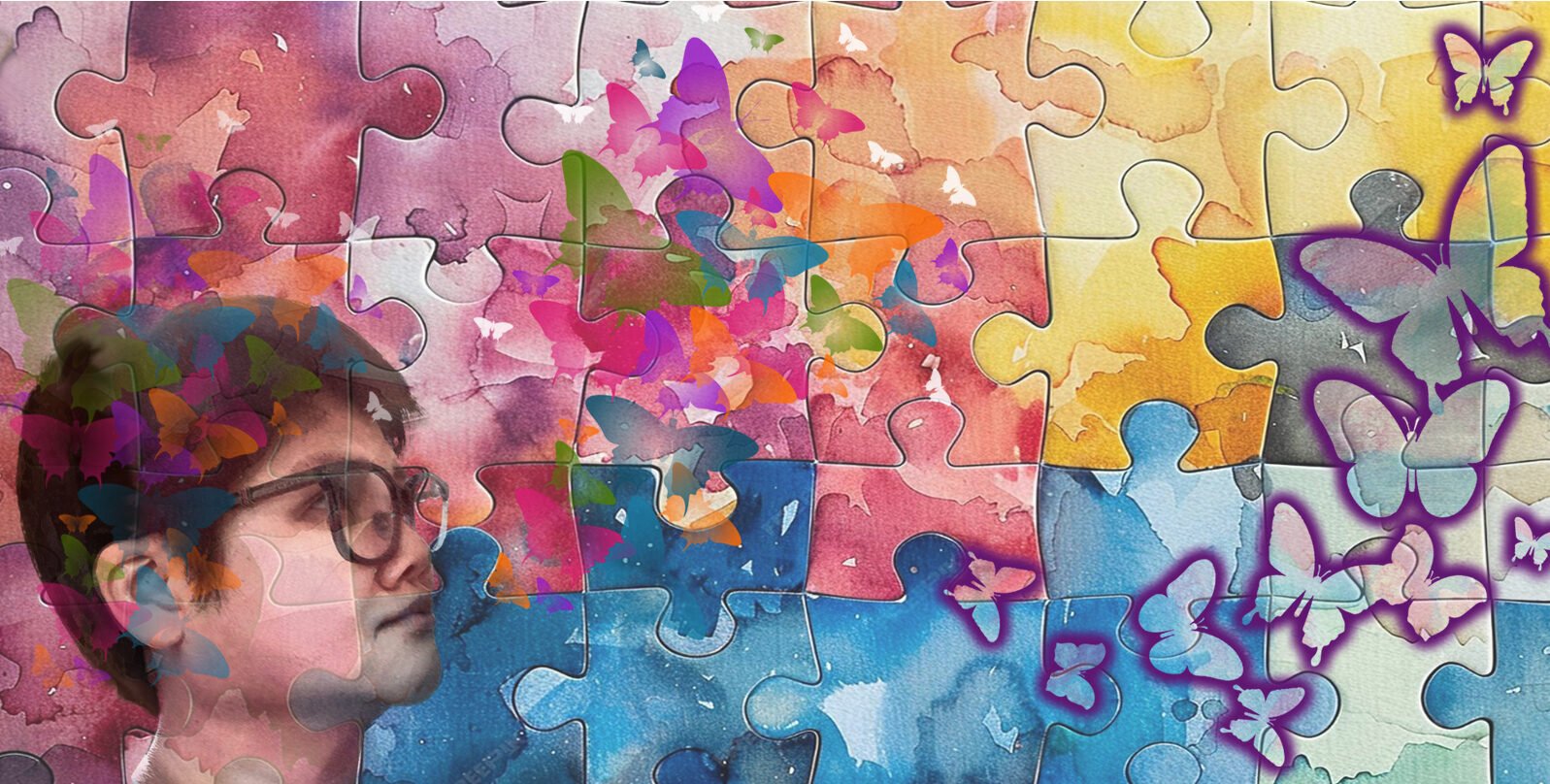
“Neurodivergent.” It’s a word you might have heard, nestled in conversations about diversity and inclusion. But what does it mean? At its heart, neurodiversity is the simple idea that human brains are not all wired the same way. It’s a biological fact. To be neurodivergent is to have a brain that diverges from the dominant societal standards of “normal.” It encompasses Autism, ADHD, Dyslexia, and more. It’s not a disorder to be cured; it’s a different way of being to be understood.
But this isn’t just an abstract definition for me. This is my life. I am neurodivergent. My specific flavor of brain is what was once called Asperger’s Syndrome, a diagnosis I received as an adult. It wasn’t a label of brokenness; it was a key that finally unlocked the mystery of my own mind. It was the answer to a question I had been asking my whole life: “Why do I feel like I am from a different planet?”
My world is one of intense detail and deep focus. I can become utterly absorbed in a special interest, finding a universe of fascination in a topic that others might find mundane. In these moments, there is a flow state, a pure and joyful connection that makes perfect sense to me. My mind seeks patterns, logic, and truth, often cutting through noise to see the core of a problem. This is the strength of my neurotype, the superpower that comes with the package.
But this package also contains the profound challenge of living in a world that feels —profoundly out of place. It is the relentless feeling of being a square peg in a universe of round holes.
The world feels too loud, too bright, too chaotic. The hum of fluorescent lights isn’t just background noise; it’s a grating drill on my concentration. The casual scent of someone’s perfume in an elevator isn’t pleasant; it’s an overwhelming assault. A simple conversation at a busy party isn’t fun; it’s a dizzying juggling act of trying to interpret tone, body language, and unspoken social rules that everyone else seems to have downloaded instinctively.
This is the constant challenge. It’s the exhaustion of performing “normalcy” every single day. It’s scripting conversations in my head before I have them. It’s forcing eye contact until it becomes physically painful, because I know it’s what is expected. It’s leaving every social gathering feeling like I’ve run a marathon, needing days of solitude to recharge from the effort of simply existing in your world.
The greatest pain is the loneliness that comes from this disconnect. It’s the feeling of being surrounded by people yet being utterly alone. It’s seeing friendships form effortlessly around me while I struggle to understand the first step. It’s having deep, passionate thoughts and feelings but finding them trapped behind a wall of social anxiety and an inability to find the “right” words in the moment.
So, who is the neurodivergent person? It is me. It is the student who needs to fidget to focus. It is the colleague who takes instructions literally and thrives on clear guidelines. It is the artist who sees the world in patterns no one else can. It is the friend who might not call you often, but whose loyalty runs deeper than words.
My diagnosis was not an end. It was a beginning. It was the start of self-compassion. It allowed me to finally stop trying to force my square peg into your round hole. I am learning to build a world that accommodates my shape. I use noise-canceling hearing device. I communicate better in writing than in speech. I forgive myself for needing more rest.
Again, I am not broken. I am different. My world may be out of place in yours, but within it exists a unique perspective, a depth of focus, and a passionate honesty. I am not asking you to fix me. I am asking you to understand that the world is built for your brain, and every day I must navigate it in mine. See that effort, and meet me halfway. That is the heart of neurodiversity.

No responses yet